
In preparation for the BBC's current series of Trust me I'm a Doctor, Michael Mosley and the team set about testing out 3 popular methods of staving off memory loss in older age.
Walking, puzzles and art classes are all commonly cited as proving effective in helping to maintain our brain health, so working with researchers from Newcastle University, 30 recruits were put to the test.
The volunteers (aged between 50 and 90) were randomly chosen to try out one of the activities for 3 hours a week for 8 consecutive weeks. After undergoing a battery of cognitive tests both before and after the trail period, the results were emphatic.
All 3 activites had proved beneficial to the participants, but by far the most popular was the Art classes. Here Michael Mosley explains why...
Why should going to an art class make a difference to things like memory?
Clinical Psychologist Daniel Collerton, one of our experts from Northumberland, Tyne and Wear NHS Trust and Newcastle University, says that part of the benefit came from learning a new skill. "Learning something new," he says, "engages the brain in ways that seem to be key. Your brain changes in response, no matter how many years you have behind you."
Learning how to draw was not only a fresh challenge to our group but, unlike the puzzlers, it also involved developing psychomotor skills. Capturing an image on paper is not just intellectually demanding. It involves learning how to make the muscles in your hand guide the pencil or paintbrush in the right directions.
An additional benefit was that going to the art class meant that for three hours a week they had to stand while drawing or painting. As we've shown before on Trust Me I'm a Doctor, standing for longer periods is a good way of burning calories and keeping your heart in good shape.
The art class was also the most socially active, another important thing to bear in mind if you want to keep your brain sharp. This group met regularly outside class, were keen to exchange emails and there was a definite social aspect to this intervention.
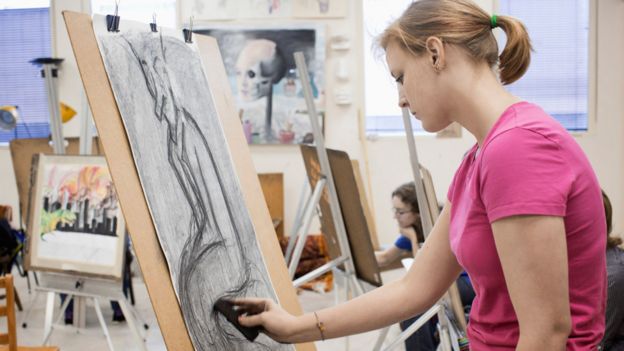
All of which meant that this group enjoyed a triple benefit when it came to boosting brain health. One of our volunteers, Lynn, says that learning to draw had produced other, unexpected benefits.
"Part of my job involves writing and pitching bids, which is a difficult and lengthy process," she explains. "I am dyslexic which is an added hurdle. But having done the art class I found that my writing now flows and my ability to concentrate has improved. It seems to have opened my mind. I'm not sure I can explain it properly, I just know it made a difference."
It is likely that any group activity which involves being active and learning a new skill will help boost your brain. Ballroom dancing, anyone?
Click the link here to read the full article on the BBC website:
http://www.bbc.co.uk/programmes/articles/54MwYnJLNvbHbT5KsBRg9Tv/how-can-we-keep-our-minds-sharp-as-we-get-older
